Nothing Really Ends Here
One Wednesday a few autumns ago, I was at the Maple Street Community Garden. It was particularly sunny, and I was in a panic over the thought that I had ruined the batch of compost in Bin B. Sweat in my eyes, pulling on my clothes, full body hysteria.
My hands were shaking and I wanted to crawl out through the garden gates and disappear.
Bryen, the Compost Co-Coordinator, found her way over to me and asked what was going on.
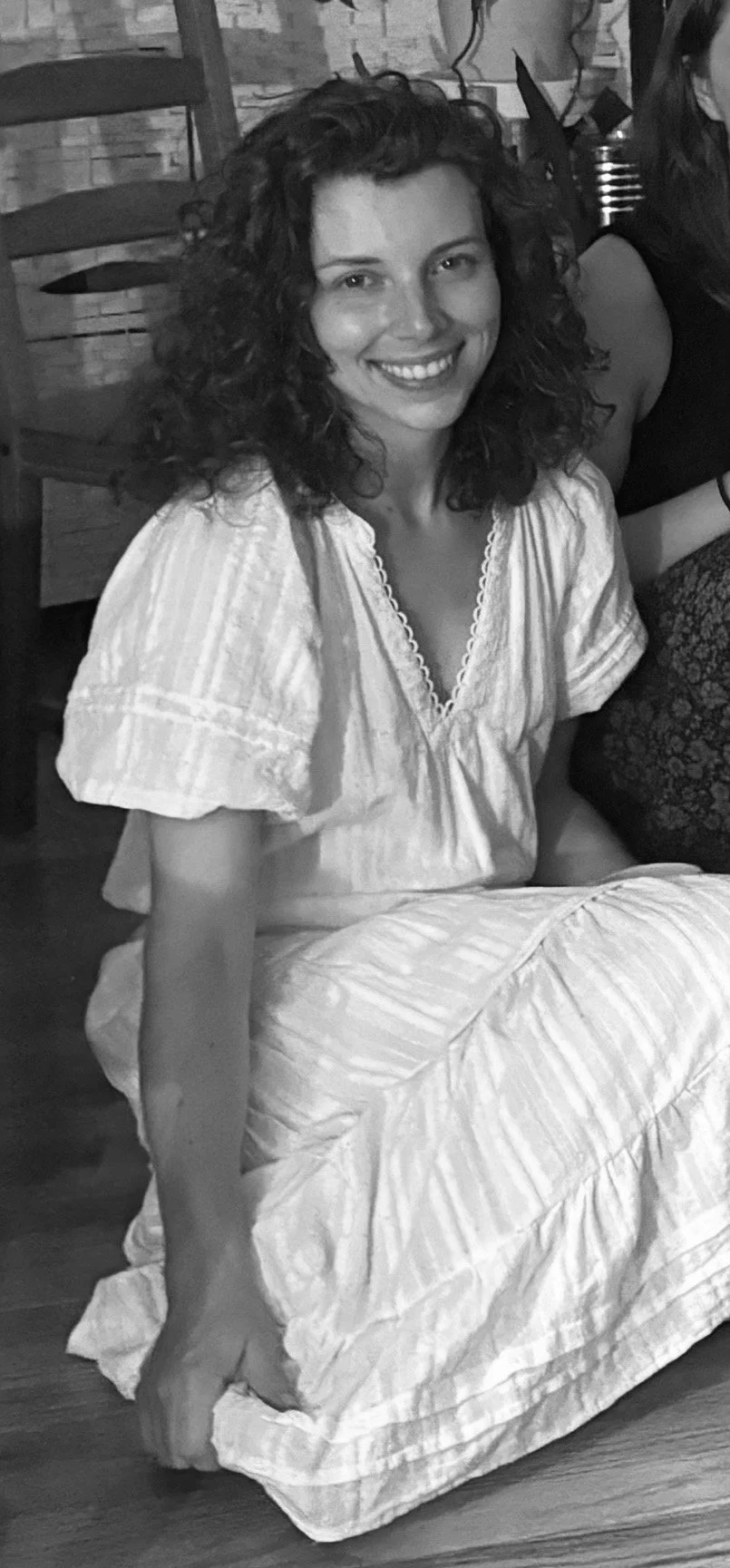
Bryen is the queen of chill. The calmest and most collected of cucumbers. The kind of person whose quiet confidence immediately demands respect and promises kindness all at once.
“I’ve ruined the compost, and I’ll be seeing myself out.”
Bryen peered into the bin, shook her curly brown hair and laughed.
“You cannot ruin compost. It’s impossible.”
She explained that compost was always remediable. There was a forgiveness in the process.
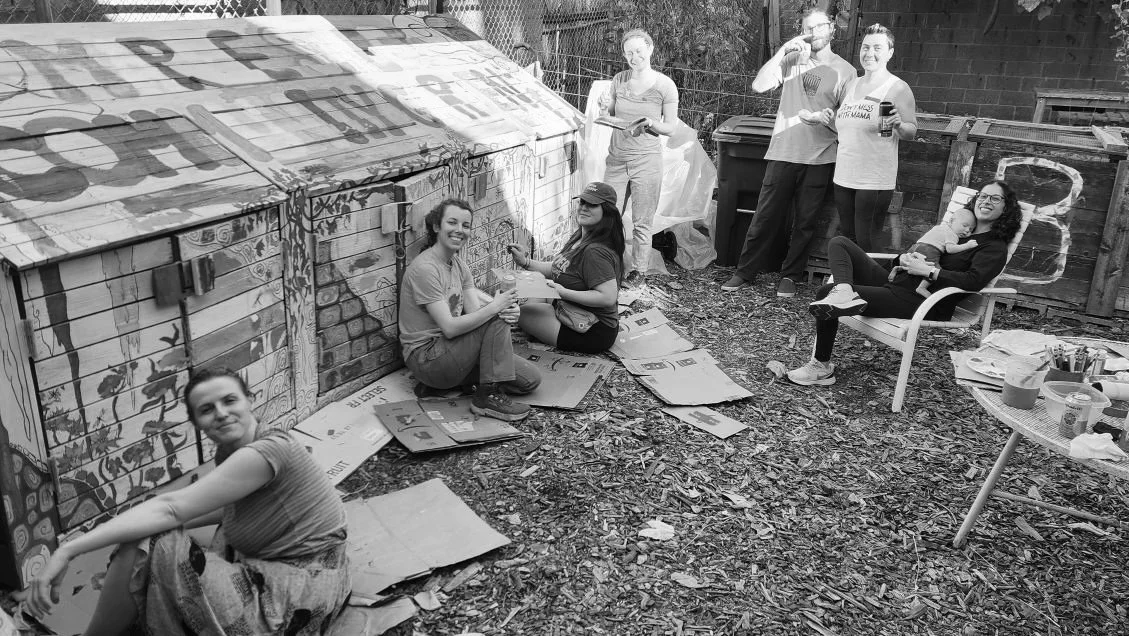
You’ve heard me say this a few times before.
But suddenly, something in my brain clicked into a new channel.
It was a perspective I needed to hear at that moment.
At that time, I had experienced a lot of life changes in a relatively short period of time. A lot of big milestones and transitions. Everything had been moving and changing around me so quickly that I was caught up in the movement.
In that moment, compost became a science and a process, but also something tangible. Something I could put my hands into. Something that required me to slow down and live in the moment.
And the more I learned, the more fascinating the whole thing became.
Compost is a living ecosystem. There are bacteria and fungi and insects and worms and all sorts of tiny decomposers working away in there, breaking things down and turning our food scraps into something useful. It is basically an entire little universe happening inside a bin. (Bugs with jobs? How fabulous.)
And like most ecosystems, it needs balance. A recipe if you will. And while I’m a disaster in a kitchen, I’m want to be a Michelin chef of compost.
My signature recipe, 2 browns : 1 greens
We talk about “greens and browns,” which is really fancy compost speak for balancing nitrogen-rich materials with carbon-rich materials. Then there’s moisture, oxygen and temperature. There are a lot of moving parts. (This girl loves the chaos.)
Heat is a good thing, too. An active compost pile can get scorching hot as all those microorganisms get to work. We take the temperature of our bins (you’ve seen photos) and collect data because it gives us a little window into what is happening inside. We track stages of compost through temperature.
And eventually, all of that food waste breaks down into finished compost. Not garbage. Something that can go back into the soil and improve its structure, help it hold water, and create a healthier environment for plants to grow.
Which is pretty incredible when you think about it.
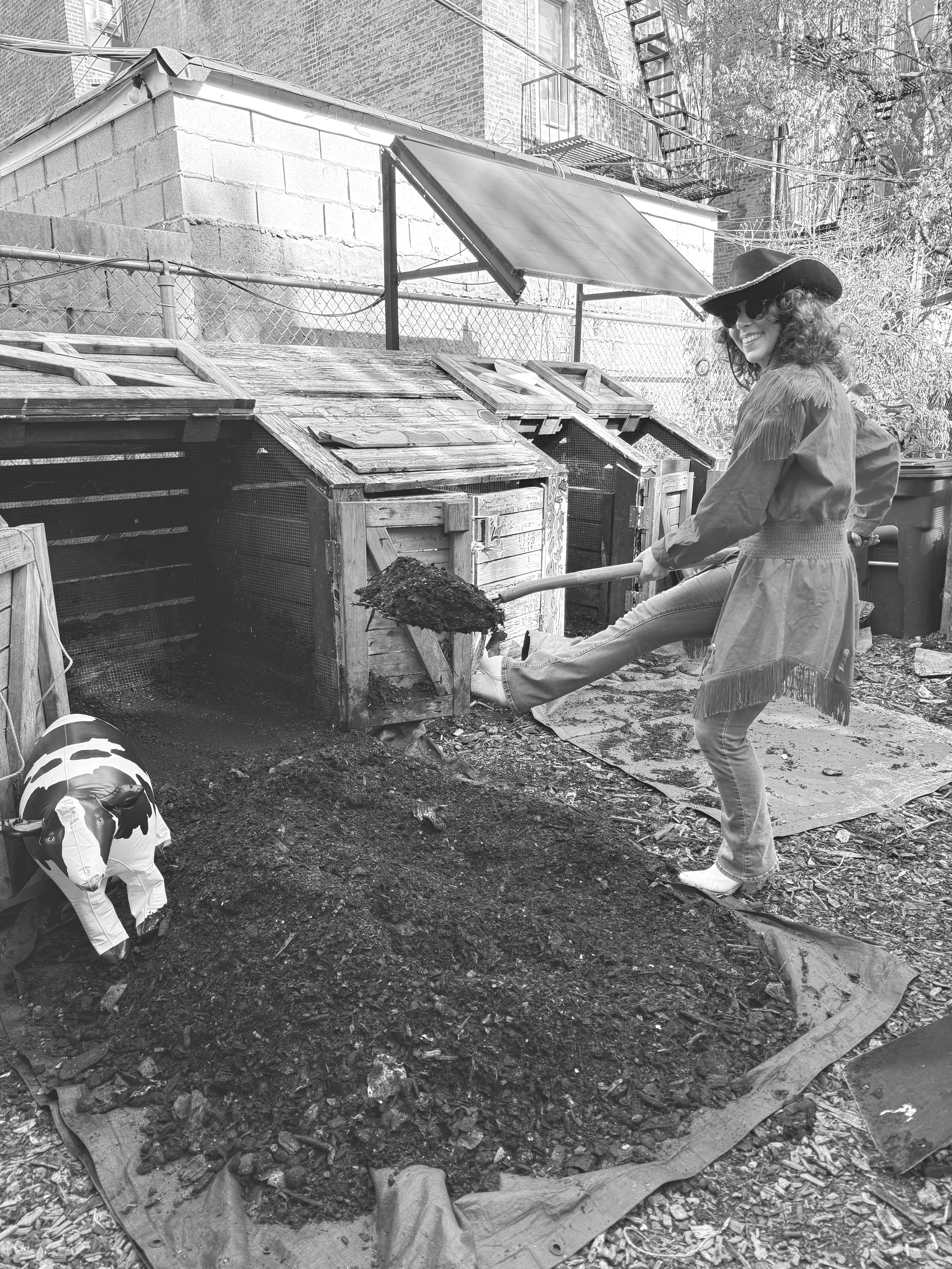
That day with Bryen was the beginning of something.
I decided I wanted to become a Master Composter. That January, I began my certification.
I can’t tell you how fulfilling the last few years have been.
The Maple Street Community Garden has become a second home. The compost bins, a sanctuary of sorts. Compost shifts themselves have become a religious practice at this point. I can’t even begin to explain how much I’ve learned, not only about soil health and sustainability, but about the people who make this place what it is and the community we serve.
And Bryen has been a huge part of that journey.
As co-coordinator of Team Compost at MSCG, she has been a leader, a teacher, a neighbor, and, luckily for me, a friend.
I’m sure if you’re reading this blog, you know Bryen.
So please join me in saying thank you and goodbye to her.
Team Compost has been a success through all my seasons at MSCG under the careful and thoughtful leadership of Bryen and Zhenia, affectionately known as The Dream Team.
Week after week, they’ve made the operation look deceptively easy: assigning bins, orienting new members, checking equipment, collecting data, testing compost, communicating with volunteers, and somehow keeping everything moving with a level of calm that I can only aspire to.
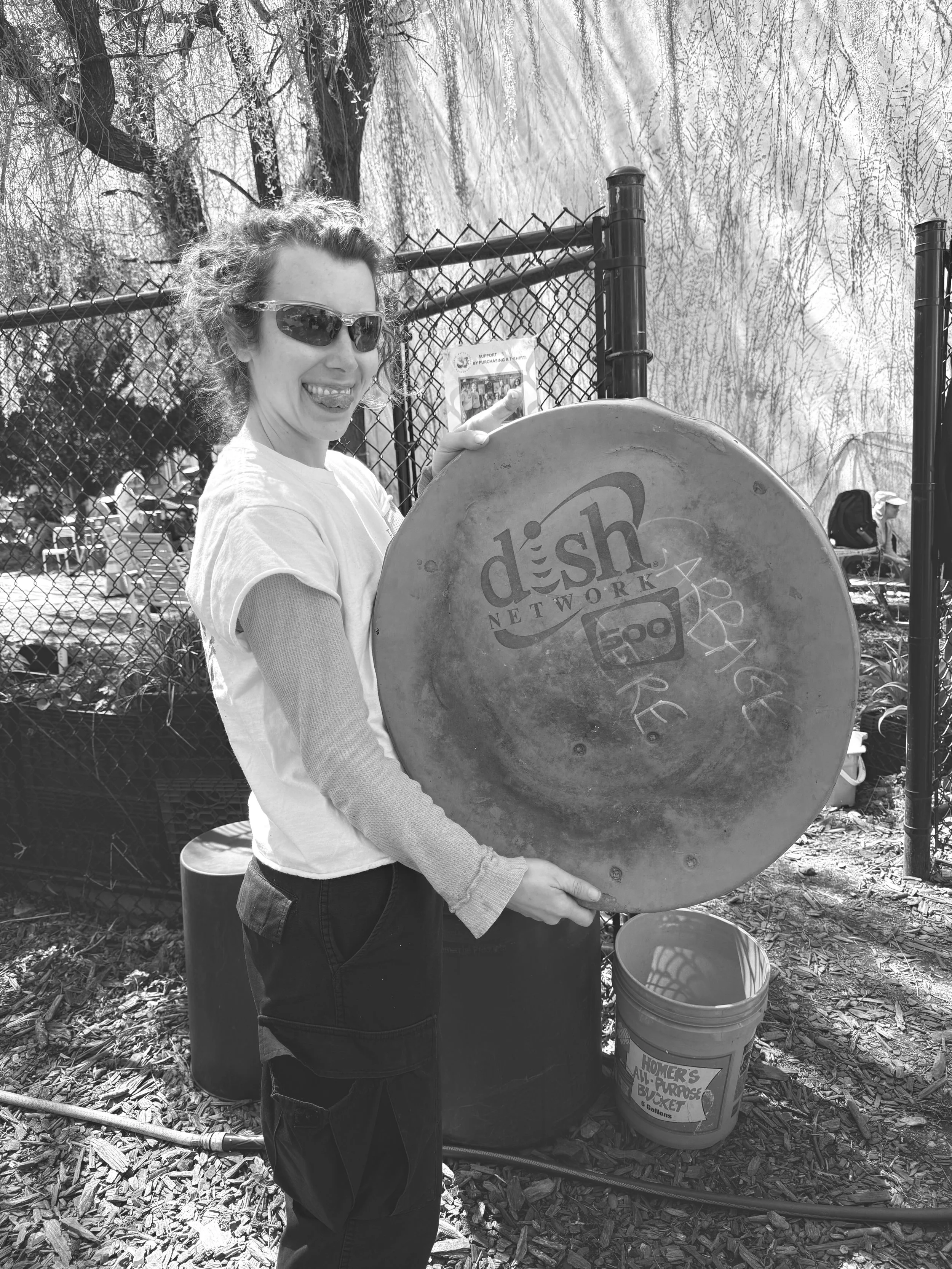
Bryen’s compost experience and expertise, both at MSCG and in her professional life, are inspiring. The amount of scraps she’s saved is probably in the millions at this point.
But more than anything, I will miss her unwavering dedication and gentle, inviting energy.
She has created years of memories here, and her spirit will remain as rooted in MSCG as the willow tree.
And while saying goodbye is never easy, there is something fitting about saying see you later to a person who taught me so much about the fact that nothing in compost is really an ending.
Things change. Things break down. Things get turned.
And, with a little time and care, something new grows.
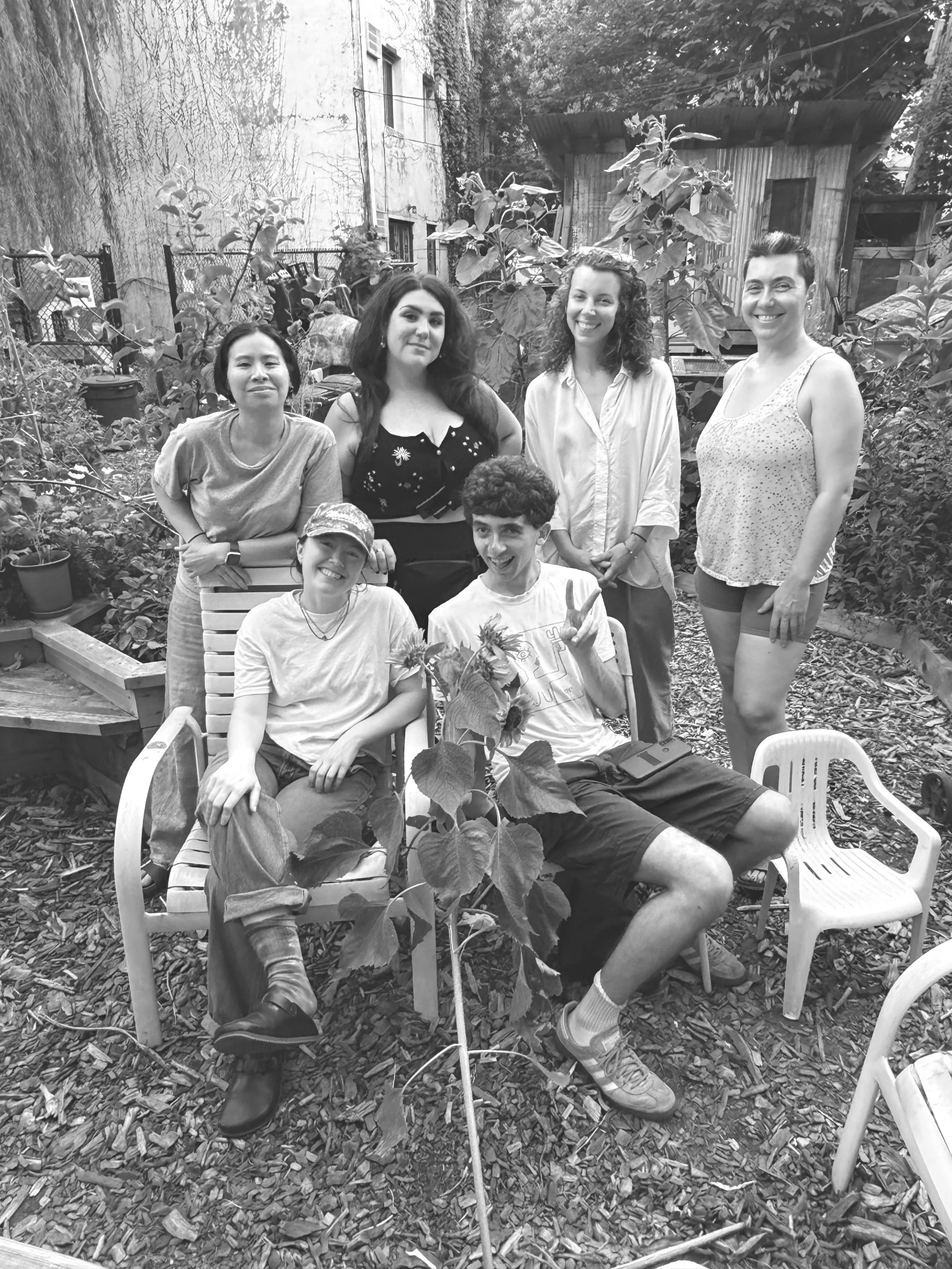
So, as Bryen moves on to her next adventure, I’ll be stepping into the role of Compost Co-Coordinator alongside Zhenia and continuing the work she helped build.
It is a little surreal to write that sentence.
A few years ago, I was standing over Bin B convinced I had ruined everything.
Now I’m helping coordinate the bins.
Bryen, I promise I’ll try not to ruin the compost.
And if I do, I know exactly what you’ll tell me:
It’s impossible.
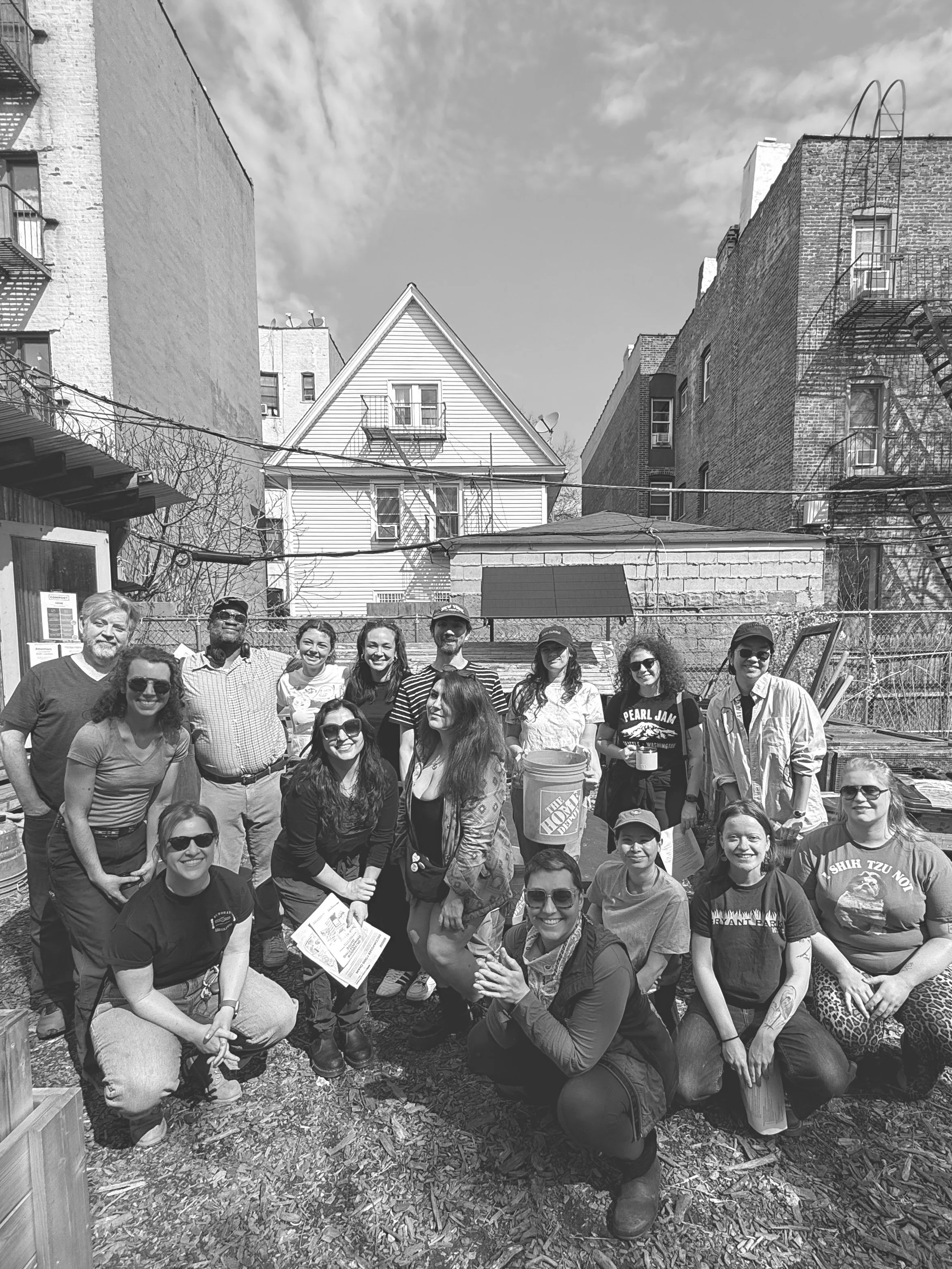
With grit & gratitude,
Jess Frost, Master Composter 🪱
Co-Coordinator, MSCG Compost and Communication Committees